Joints & mobility
Arthritis treatment: what actually helps, from exercise to medicine
Arthritis is not one disease. The word covers more than a hundred conditions that cause pain and swelling in joints, and the right treatment depends on which one you have. Worldwide, osteoarthritis alone affects over 500 million people, most of them over 55, according to the World Health Organization.
The main types of arthritis
| Type | Who usually gets it | Typical signs |
|---|---|---|
| Osteoarthritis | Adults over 45, people with heavy jobs or old injuries | Pain on use, stiffness after rest that eases within 30 minutes, knees, hips, hands |
| Rheumatoid arthritis | Adults 30–60, women three times more than men | Swollen, warm small joints on both sides, morning stiffness over an hour, tiredness |
| Gout | Men over 30, women after menopause | Sudden, severe pain in one joint, often the big toe |
| Psoriatic arthritis | People with the skin condition psoriasis | Swollen fingers or toes, nail changes |
| Ankylosing spondylitis | Young men especially | Low back pain and stiffness, worse at night and in the morning |
| Septic arthritis | Anyone, often after a wound or with diabetes | One hot, swollen joint with fever: an emergency |
| Juvenile arthritis | Children under 16 | Swollen joints, limping, morning stiffness |
Lists of “the 7 types of arthritis” usually name these seven; there are many rarer ones.
Is arthritis curable?
Most types cannot be cured, but almost all can be controlled:
- Septic arthritis is cured with antibiotics, if treated fast.
- Gout attacks can stop for good when uric acid is kept low with daily medicine. See our gout guide.
- Rheumatoid arthritis can go into remission when strong treatment starts within the first months.
- Osteoarthritis does not reverse, but pain and function often improve a lot with the steps below. Badly worn hips and knees can be replaced.
Treatment for osteoarthritis
Osteoarthritis is the wearing and remodelling of cartilage and bone. UK guidance from NICE, which most clinicians in Kenya also follow, puts treatments in this order.
1. Exercise, every week, for good. Strengthening the thigh, hip and core muscles is the main treatment. Aim for 30 minutes of walking, cycling or swimming on most days and two short strength sessions a week. The first weeks can ache; that is not damage.
2. Weight loss, if you carry extra weight. Losing 5 to 10% of body weight noticeably reduces pain for many people, and every kilo matters to a knee, as the knee pain guide shows.
3. Painkillers for flare-ups:
- Anti-inflammatory gel (such as diclofenac gel) on the knee or hand is the first choice.
- Anti-inflammatory tablets (ibuprofen, diclofenac, naproxen) at the lowest dose for the shortest time, usually with a stomach-protecting tablet. Avoid them if you have kidney disease, a stomach ulcer or heart failure.
- Paracetamol is no longer recommended on its own for long-term arthritis pain, but is fine for occasional short use.
4. Extras that help some people: heat for stiffness and cold packs for swelling, a walking stick in the opposite hand, cushioned shoes, a knee brace, and a steroid injection into the joint when a flare will not settle.
5. Surgery when pain and stiffness stay severe despite all of the above. Knee and hip replacements are done in larger Kenyan hospitals.
Treatment for rheumatoid arthritis
Rheumatoid arthritis is the immune system attacking the joint lining. Without treatment it erodes joints within months, so speed matters. A doctor will usually refer you to a rheumatologist and start a disease-modifying medicine such as methotrexate, often with a short course of steroids. Blood tests check that the medicine is safe for your liver and blood count.
The signs that suggest rheumatoid rather than wear-and-tear arthritis: swelling in the small joints of both hands or feet, morning stiffness lasting more than an hour, and tiredness or a mild fever.
A simple routine for stiff joints
Do this most days. It takes ten minutes.
- Warm up: five minutes of marching on the spot or a short walk.
- Heel raises: hands on the back of a chair, lift both heels, then lower them slowly. 15 times.
- Hand squeeze: squeeze a soft ball or rolled cloth for five seconds. 10 each hand.
- Shoulder rolls: roll both shoulders slowly backwards, then forwards. 10 each way.
For knees and hips, add the five exercises in the knee pain guide. Ache that settles within a couple of hours is fine; if it lasts longer, do a little less next time.
Where supplements fit
Supplements do not replace exercise or medicine, but some people find they take the edge off daily aches. Among them, curcumin from turmeric has the best evidence for osteoarthritis pain; our turmeric guide sums up the studies. Evidence for glucosamine and chondroitin is mixed: some trials show a small benefit, others none.
If you try a supplement, give it a month or more, keep a simple diary of pain and walking distance, and stop if it does nothing for you.
When to see a doctor
See a doctor the same day if one joint is suddenly hot, red and swollen, especially with a fever. That can be septic arthritis or gout and needs urgent treatment. Book a visit soon if your joints are swollen on both sides, stiffness lasts more than an hour each morning, or pain stops you sleeping or working.
Available from BioFit
For use alongside the steps above. Each is paid for on delivery.
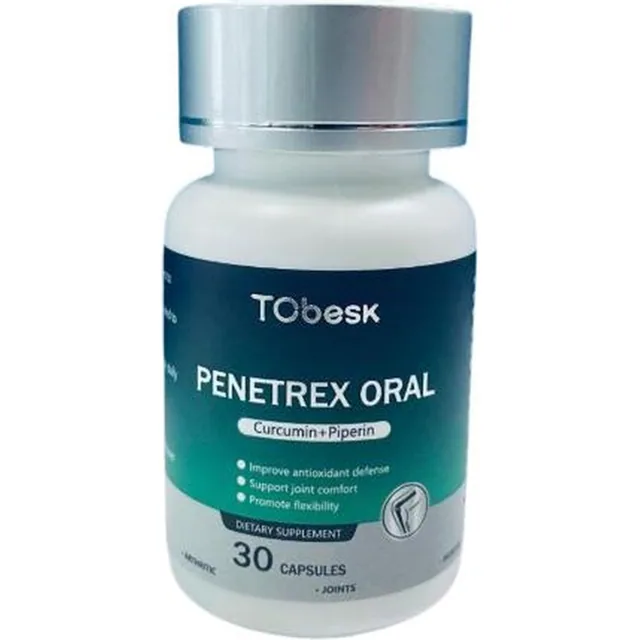
Penetrex Oral
Turmeric curcumin paired with black-pepper piperine, taken by mouth for stiff, sore joints.
KES 5,990 · 30 capsules
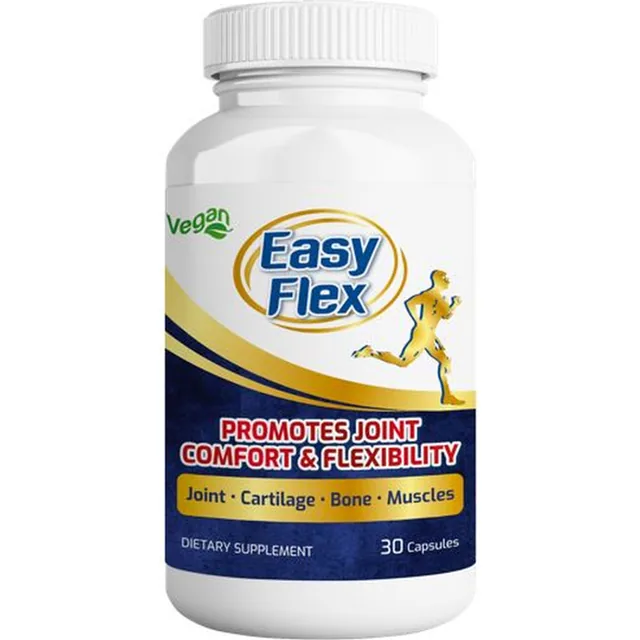
Easy Flex
Plant-based capsules aimed at the whole joint: cartilage, bone and the muscles around it.
KES 6,500 · 30 capsules
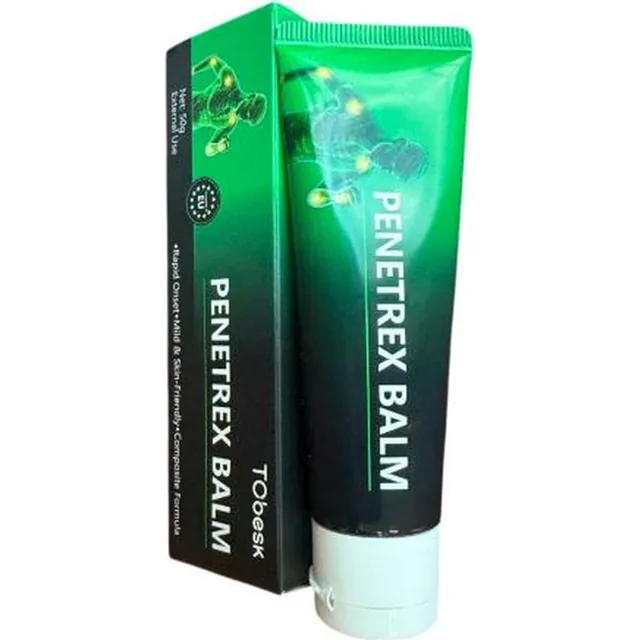
Penetrex Balm
A 50 g balm you rub over the knee, back or shoulder that aches. Skin only, never swallowed.
KES 5,990 · 50 g tube
Questions people ask
What is the best painkiller for arthritis?
For knee and hand osteoarthritis, an anti-inflammatory gel such as diclofenac is the first choice. Tablets like ibuprofen work too but are best kept to short courses because of stomach, kidney and heart risks. Ask a pharmacist which suits your other medicines.
At what age does arthritis start?
Osteoarthritis usually begins after 45, earlier after a joint injury or with heavy manual work. Rheumatoid arthritis most often starts between 30 and 60, and some types affect children.
Does cold weather make arthritis worse?
Many people say their joints ache more in cold, wet weather, though studies disagree on why. Keeping joints warm and moving on cold mornings helps either way.
Should I rest or exercise with arthritis?
Keep moving. Rest a joint for a day or two in a flare, then get going again. Strong muscles take load off the joint, and inactivity makes stiffness worse.