Prostate & men’s health
Prostatitis: symptoms, causes and treatment

The prostate is a gland about the size of a walnut that sits just below the bladder and wraps around the tube that carries urine out of the body. It makes part of the fluid in semen. When it becomes inflamed or painful, doctors call it prostatitis.
The four types of prostatitis
| Type | How common | What it is |
|---|---|---|
| Acute bacterial | Uncommon | A sudden infection, with fever and chills |
| Chronic bacterial | Uncommon | Infection that keeps returning for months |
| Chronic prostatitis / chronic pelvic pain syndrome | Most cases, about 9 in 10 | Pain lasting 3 months or more, usually without infection |
| Inflammation without symptoms | Found by chance | Found during tests for something else; no treatment needed |
Prostatitis symptoms
Pain in one or more of these places:
- between the scrotum and the anus (the perineum);
- the testicles, the tip of the penis or the lower belly;
- the lower back;
- during or after ejaculation.
Urinary problems: needing to go often or urgently, burning, a weak stream, or the feeling that the bladder is not empty.
Sexual problems: painful ejaculation, weaker erections, lower desire.
Acute bacterial prostatitis adds fever, chills, aching muscles and feeling very unwell, and sometimes makes it impossible to pass urine.
What causes prostatitis
- Bacteria from the urinary tract, such as E. coli, cause the acute and chronic bacterial types. A urinary catheter or a recent procedure raises the risk.
- Sexually transmitted infections, such as chlamydia and gonorrhoea, are a cause in younger men.
- Chronic pelvic pain syndrome usually has no infection behind it. Tense pelvic-floor muscles, irritated nerves, an old infection that set off inflammation, and stress all seem to play a part, often together.
Prostatitis treatment
Acute bacterial prostatitis needs antibiotics straight away, usually for two to four weeks, sometimes in hospital at first.
Chronic bacterial prostatitis is treated with a longer antibiotic course, often four to six weeks, chosen from a urine test.
Chronic pelvic pain syndrome responds best to several things at once:
- an alpha-blocker such as tamsulosin to relax the prostate and bladder neck;
- anti-inflammatory painkillers for flares;
- pelvic-floor physiotherapy to release tight muscles;
- warm sitz baths for 15 to 20 minutes;
- less sitting: a cushion with a cut-out, standing breaks every hour;
- cutting down on alcohol, coffee and spicy food;
- treating constipation;
- stress management, because pain and stress feed each other.
Some men use supplements as part of the mix. Plant extracts such as quercetin and pollen extract have small trials behind them. Prosguard, for example, is sold for prostatitis and potency support. Give any of these at least a month alongside the steps above.
Prostatitis or an enlarged prostate?
| Prostatitis | Enlarged prostate (BPH) | |
|---|---|---|
| Typical age | Any adult, common under 50 | Mostly over 50 |
| Main complaint | Pain in the pelvis or perineum | Weak stream, getting up at night |
| Onset | Sudden (acute) or comes and goes | Slow, over years |
| Fever | In the acute type | No |
The two can overlap, and the urinary symptoms are similar. Our enlarged prostate guide covers the slow, age-related kind.
When to see a doctor
Go to hospital now if you cannot pass urine at all. Go to a clinic today for fever and chills with pain when passing urine, or blood in your urine or semen. Book a visit for pelvic pain that lasts more than a few weeks, and get tested for sexually transmitted infections if you have had a new partner.
Available from BioFit
For use alongside the steps above. Each is paid for on delivery.
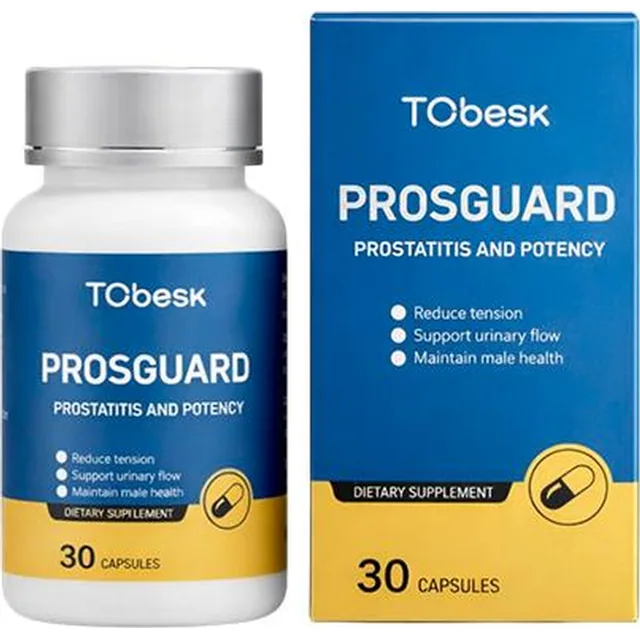
Prosguard
Capsules for men dealing with pelvic tension, a weaker stream and flagging stamina.
KES 5,990 · 30 capsules
Questions people ask
Can prostatitis go away on its own?
Acute bacterial prostatitis cannot and needs antibiotics. Chronic prostatitis often comes and goes for months and improves with treatment and time; many men get much better within a year.
Is prostatitis contagious?
Prostatitis itself is not passed to a partner. When it is caused by a sexually transmitted infection, that infection is, so both partners should be tested and treated.
Can prostatitis cause erection problems?
Yes. Pelvic pain, painful ejaculation and the worry that comes with them often affect erections and desire. They usually improve as the pain settles.
Can young men get prostatitis?
Yes. Prostatitis is the most common prostate problem in men under 50, unlike an enlarged prostate, which mostly affects older men.
What should I avoid with prostatitis?
Long hours sitting on hard seats, cycling for long stretches, alcohol, a lot of coffee and very spicy food can all make symptoms worse. Constipation does too.