Blood sugar
Normal blood sugar levels: chart for fasting, after meals and HbA1c
Kenyan clinics and home glucometers report blood sugar in mmol/L. Many charts online use mg/dL, the American unit, which is why 5.5 and 99 can mean the same thing. This page gives both.
Normal blood sugar levels chart
The glucose cut-offs are the World Health Organization’s, used for diagnosis in Kenya. WHO sets only the 6.5% diabetes line for HbA1c; the prediabetes band in that row comes from the American Diabetes Association.
| Test | Normal | Prediabetes | Diabetes |
|---|---|---|---|
| Fasting (8+ hours without food) | Below 6.1 mmol/L (110 mg/dL) | 6.1–6.9 mmol/L (110–125 mg/dL) | 7.0 mmol/L (126 mg/dL) or more |
| 2 hours after a glucose drink | Below 7.8 mmol/L (140 mg/dL) | 7.8–11.0 mmol/L (140–199 mg/dL) | 11.1 mmol/L (200 mg/dL) or more |
| Random, any time | Usually below 7.8 mmol/L (140 mg/dL) | 11.1 mmol/L (200 mg/dL) or more with symptoms | |
| HbA1c | Below 5.7% (39 mmol/mol) | 5.7–6.4% (39–47 mmol/mol) | 6.5% (48 mmol/mol) or more |
The American Diabetes Association uses a stricter fasting limit of 5.6 mmol/L, so a fasting result between 5.6 and 6.0 is worth discussing with your clinician even though it counts as normal here. For good health, the ideal fasting range is 4.0 to 5.5 mmol/L (72 to 99 mg/dL).
A diabetes diagnosis needs two abnormal results, either the same test repeated on another day or two different tests, unless you also have clear symptoms with a random reading of 11.1 or more.
Blood sugar after eating
In someone without diabetes, sugar rises after a meal, peaks within an hour and is back below 7.8 mmol/L within two hours. A plate heavy in ugali, white rice, chapati or mandazi raises it faster and higher than one built on greens, beans and protein.
For people with diabetes, typical targets set by the American Diabetes Association are:
| When | Target |
|---|---|
| Before meals | 4.4–7.2 mmol/L (80–130 mg/dL) |
| 1–2 hours after starting a meal | Below 10.0 mmol/L (180 mg/dL) |
| HbA1c | Below 7% (53 mmol/mol) for most adults |
Your own targets may be different. Older adults, people with heart disease and anyone prone to lows are often given looser ones.
Random blood sugar
A random test is taken at any time, whatever you last ate. It is good for spotting very high sugar quickly, at a clinic or a screening camp. A random result of 11.1 mmol/L (200 mg/dL) or more together with thirst, frequent urination or weight loss means diabetes. A lower random result does not rule it out; a fasting or HbA1c test does.
HbA1c: your three-month average
HbA1c measures how much sugar has stuck to your red blood cells. Because those cells live about three months, it shows your average over that period and does not need fasting. It is the main test doctors use to judge how well diabetes is controlled. Anaemia, sickle cell trait and pregnancy can make it less reliable.
What level of blood sugar is dangerous?
| Reading | What it means | What to do |
|---|---|---|
| Below 3.0 mmol/L (54 mg/dL) | Severe low | Sugar now; if drowsy or confused, hospital |
| 3.0–3.9 mmol/L (54–70 mg/dL) | Low (hypoglycaemia) | 15 g of fast sugar, recheck in 15 minutes |
| 4.0–5.5 fasting, or below 7.8 two hours after eating | Normal | Nothing |
| 6.1–6.9 fasting (110–125 mg/dL) | Prediabetes range | Repeat the test and see a clinician |
| 7.0+ fasting (126 mg/dL) or 11.1+ at any time (200 mg/dL) | Diabetes range | See a clinician this week |
| Above 13.9 mmol/L (250 mg/dL) | Very high | If you feel sick, vomit, breathe fast or have type 1 diabetes, get urgent care |
| Above 33.3 mmol/L (600 mg/dL) | Dangerously high | Emergency, go to hospital |
Lows mostly happen to people on insulin or tablets such as glibenclamide or gliclazide. Very high sugar with vomiting, fast breathing or a fruity smell on the breath can mean diabetic ketoacidosis, which is life-threatening.
Low blood sugar symptoms
Shaking, sweating, a racing heart, sudden hunger, tingling lips, blurred vision, irritability, then confusion and drowsiness. Treat it with the 15-15 rule: take 15 g of fast sugar (half a glass of juice or soda, or three teaspoons of sugar in water), wait 15 minutes, check again, and repeat if still below 4.0 (72 mg/dL). Then eat a proper snack or meal.
Converting mg/dL to mmol/L
Divide mg/dL by 18 to get mmol/L.
| mg/dL | mmol/L |
|---|---|
| 70 | 3.9 |
| 100 | 5.6 |
| 126 | 7.0 |
| 140 | 7.8 |
| 180 | 10.0 |
| 200 | 11.1 |
| 250 | 13.9 |
Getting an accurate reading at home
- Wash your hands with soap and dry them; sugar on your fingers from food gives a false high.
- Prick the side of a fingertip, not the pad.
- Use test strips that are in date and stored closed.
- Write the reading down with the time and what you last ate.
If your fasting readings keep landing in the prediabetes range, our guide to the signs of diabetes explains the next steps, and a few changes to the plate can bring them back down.
When to get help
Go to hospital now if blood sugar is above 13.9 mmol/L (250 mg/dL) and you are vomiting, breathing fast, very thirsty or drowsy, or if a person with low sugar cannot swallow safely or is unconscious. Do not give food or drink to someone who cannot swallow.
Available from BioFit
For use alongside the steps above. Each is paid for on delivery.
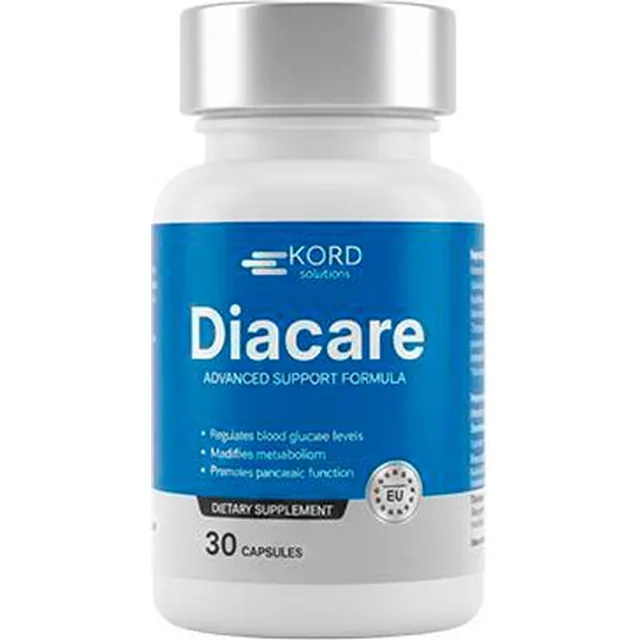
Diacare
A capsule supplement for people watching their sugar, taken alongside the diet and medicine their clinic prescribed.
KES 5,990 · 30 capsules
Questions people ask
What is a normal sugar level for an adult?
Fasting, before breakfast: 4.0 to 5.5 mmol/L (72 to 99 mg/dL) is ideal and anything under 6.1 (110 mg/dL) is normal. Two hours after eating: below 7.8 mmol/L (140 mg/dL).
What is normal blood sugar two hours after eating?
Below 7.8 mmol/L (140 mg/dL) for someone without diabetes. For people with diabetes, the usual target is below 10 mmol/L one to two hours after starting a meal.
Is 7.0 mmol/L in the morning diabetes?
One fasting reading of 7.0 or more is a warning, not a diagnosis. Diabetes is confirmed when a repeat fasting test or an HbA1c test is also in the diabetes range.
Does normal blood sugar change with age?
The normal range for diagnosis is the same for adults of every age. What changes is the treatment target: for older people with diabetes, doctors often accept slightly higher readings to avoid dangerous lows.
How do I convert mg/dL to mmol/L?
Divide by 18. For example, 126 mg/dL ÷ 18 = 7.0 mmol/L. To go the other way, multiply mmol/L by 18.